

Child & Jackson can help you if you’ve been injured in a boating accident at Folsom Lake. Whether you’re out on your own boat a lot or just out for a relaxing day on the lake, an accident changes everything in an instant. All of a sudden, you have questions to answer and issues that you’re not prepared to deal with. Our team will be there to help you through everything. Set up a free consultation today.
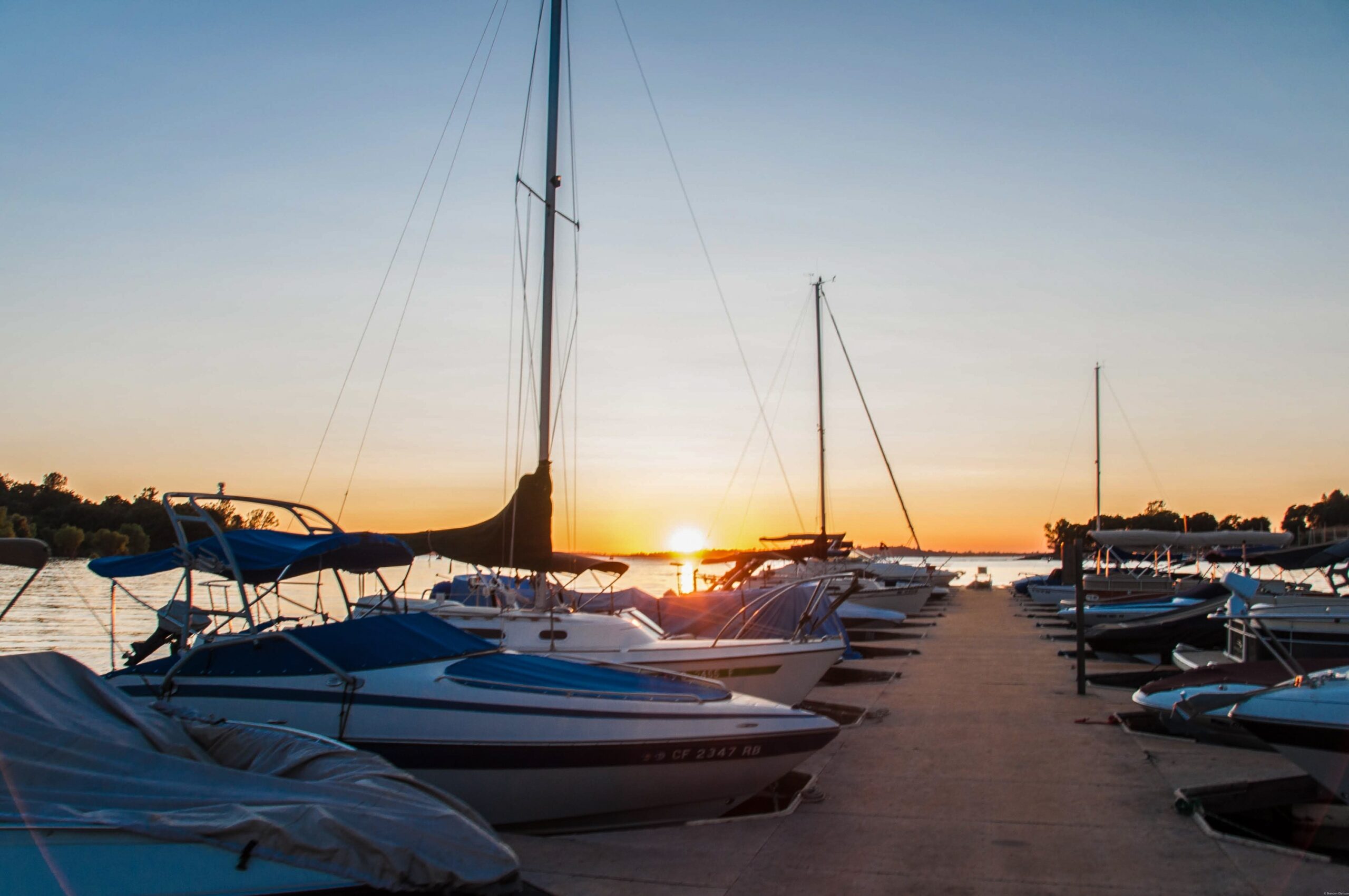
Why a Lawyer Makes So Much Sense After a Boating Accident at Lake Folsom
Folsom Lake is one of the most popular places in the Sacramento area for boating, fishing, and spending time on the water. But with so many boats, personal watercraft, and other visitors sharing the lake, accidents can happen pretty quickly.
At that point, it’s an incredibly confusing and painful time. That’s why it makes sense to get help from our Lake Folsom boating accident team at Child & Jackson. We’ll be there to help you with:
- Looking into the accident and figuring out what caused it.
- Helping collect important evidence and documents.
- Figuring out who may be responsible.
- Reviewing your injuries and the losses you’ve experienced.
- Handling the back-and-forth with insurance companies.
- Explaining the legal process and what to expect.
You have enough to worry about when you’re in a boating accident. You shouldn’t also have to deal with the legal process alone. That’s what our team really gives you: the space to focus on getting better. But that takes a closer look at what happened.
How Boating Accidents Can Happen at Folsom Lake
When you hear “boating accident”, you probably think of two boats colliding with each other. That happens a lot, but it’s far from the only way that boating accidents happen at Folsom Lake. You’re also looking at potential:
- Capsizing, where the boat overturns because of rough water, improper weight distribution, or sudden movements by passengers.
- Groundings, when the boat strikes the lake bottom, rocks, or other submerged objects, potentially throwing passengers around or damaging the vessel.
- Falls overboard from sudden turns, rough conditions, or losing their balance while the boat is moving.
- Propeller accidents, where passengers or other swimmers suffer serious injuries if they come into contact with a moving boat propeller.
- Engine problems, steering failures, or defective safety equipment can cause a boat operator to lose control.
- Fires and explosions from fuel leaks, electrical problems, or improper handling of equipment
That’s obviously a lot to think about, and something that’s the last thing on your mind when you’re out on the lake. But these kinds of things can happen in a split-second. And once it does, information becomes important.
How Information Helps After Your Boating Accident
After a boating accident, you’re typically focused on one thing: getting yourself and everyone else safely out of the water. That’s understandable. Just like any other kind of accident, the first thing you want to do after a boating accident on the lake is to:
- Call 911 and get help
But once everyone is safe, information becomes important too. If you’re able to do so, try to get a few basics like:
- Pictures or videos of the scene, the boats involved, any damage, and the surrounding water
- The names and contact information of the boat operators and owners
- Insurance information, along with any rental agreement if one of the boats came from a rental company
- Contact information from anyone who saw the accident or stopped to help
Keep in mind that you might not be able to get all of this yourself, especially if you’re injured. That’s okay. Your focus should be on getting help and getting your injuries taken care of. Then in the next few days/weeks, we can help pull together other things that are going to become available, like:
- Your medical records and bills
- Any incident or boating accident reports from authorities or people in charge
- Pictures of your injuries as they heal or get worse
- Pictures or records showing damage to the boat or other equipment
- Witness statements and contact information
- Boat maintenance records, rental agreements, or inspection information
- Any emails or letters from an insurance company or rental business
It’s true that this information can be important as you move through the claims process, but again, what’s really important is your health and safety. You should never put yourself at risk or delay medical care just to gather this information. That’s another area where our team can be really helpful. The more information you have, the easier it is to answer the big questions.
Who Has to Pay for My Damages in a Boating Accident?
This is the big legal question here. And legally speaking, the person or group responsible for paying for your damages usually comes down to negligence. With a boat accident, that could be a person that was:
- Speeding or operating the boat recklessly
- Distracted and not watching where they were going
- Failing to keep a proper lookout for other boats, swimmers, or obstacles
- Turning or changing direction without checking for nearby watercraft
- Operating a boat while under the influence of alcohol or drugs
- Allowing too many passengers on board or failing to follow basic safety rules
These are all examples of negligence, but the operator isn’t always the only person who could share responsibility. Depending on what happened, that could also bring in:
- The boat owner, if they allowed someone who wasn’t qualified to operate the boat or provided a boat they knew was unsafe.
- A boat rental company, if it provided a boat with known mechanical problems, failed to address safety issues, or didn’t provide appropriate instructions or equipment.
- The boat or equipment manufacturer, if a defective engine, steering system, propeller, or other part led to the accident.
- California State Parks or another government agency, if something dangerous at a public launch area, dock, or other area they’re in control of played a role in the accident.
Of course, it’s not always a matter of just one person or group being responsible. In most boating accidents, a lot of different people are going to share the responsibility. That can make the claims process more complicated, but from your point of view, it doesn’t change your options for filing a claim and getting help.
What Damages Can You Recover After a Boating Accident?
It’s really easy to understand why boating accidents can be so damaging. Even if you’re careful, wearing a life jacket, and doing everything you’re supposed to do, you’re still dealing with moving vessels, open water, and very little protection if something goes wrong.
And despite what an insurance company tries to argue, you still have the option of filing an injury claim when someone else’s negligence led to your injuries. You do that through either:
- Filing an insurance claim outside of court
- Filing a personal injury lawsuit
That doesn’t look all that different than an accident on land. But the point, again, is to get financial help for your injuries and losses—your “damages.” That can include:
- Current and future medical expenses
- Current lost income or a loss of future earnings
- Repair/replacement costs for your boat or other damaged property
- Pain and suffering
- Emotional distress
- Reduced quality of life
- Wrongful death damages if the accident is fatal
Many claims begin with an insurance claim, and some can be resolved through negotiations. If the insurance company won’t offer a fair settlement, filing a personal injury lawsuit may be the next step. It takes more time and effort, but it can allow you to go after fuller damages through the court process.
You also have to consider that the process can change if the state government is involved. Those claims are filed under the California Tort Claims Act (CTCA). With a CTCA claim, you can still get damages, but the timeline is sped up. You only have:
- Six months from the date of the accident to file an official Notice of Claim.
- The government then has 45 days to respond.
From there, the government can accept your claim and issue a payout, but what usually happens is you don’t hear anything. After 45 days, you can move forward with a lawsuit in state court if you want. No matter what you decide to do, though, our team will be ready to help you understand your options and guide you through everything.
Frequently Asked Questions
Can I still file a claim if a boat rental company made me sign a liability waiver?
Yes. Liability waivers don’t cover the rental company if your injuries happened because of their negligence (not warning you of dangers, using damaged vessels, not inspecting their boats, etc.) Even with a signed liability waiver, you can still file a claim and get financial help.
What if I don’t know who caused my boating accident on Folsom Lake?
That’s actually pretty common. With multiple boats involved or conflicting stories, it isn’t always clear who was responsible. We can help untangle things by getting information, comparing documentation and reports, and looking at other evidence.
Can weather or water conditions affect my boating accident case?
Yes, but changing conditions don’t automatically excuse negligence. Wind, poor visibility, and changing water levels can all cause accidents on Folsom Lake. We can help you uncover negligence on the part of the person operating the boat or the rental company that didn’t warn you of potential dangers.
Free Consultations After a Boating Accident at Folsom Lake
A boating accident at Folsom Lake can leave you dealing with painful injuries, mounting bills, and a lot of uncertainty about what comes next. At Child & Jackson, we can help you look into what happened, figure out who was involved and who might be responsible, then help you through the claims process so you can get the financial help you need to move forward. Set up a free consultation today to get started.