
Child & Jackson can help you through the claims process if you’ve been hurt in a car accident in Folsom. No matter what kind of accident you’re in, there’s going to be a lot of information coming in. And one of the most important pieces is the police accident report. We can help you get a copy, explain what’s in it, and show you how it fits into your claim. Set up a free consultation today.
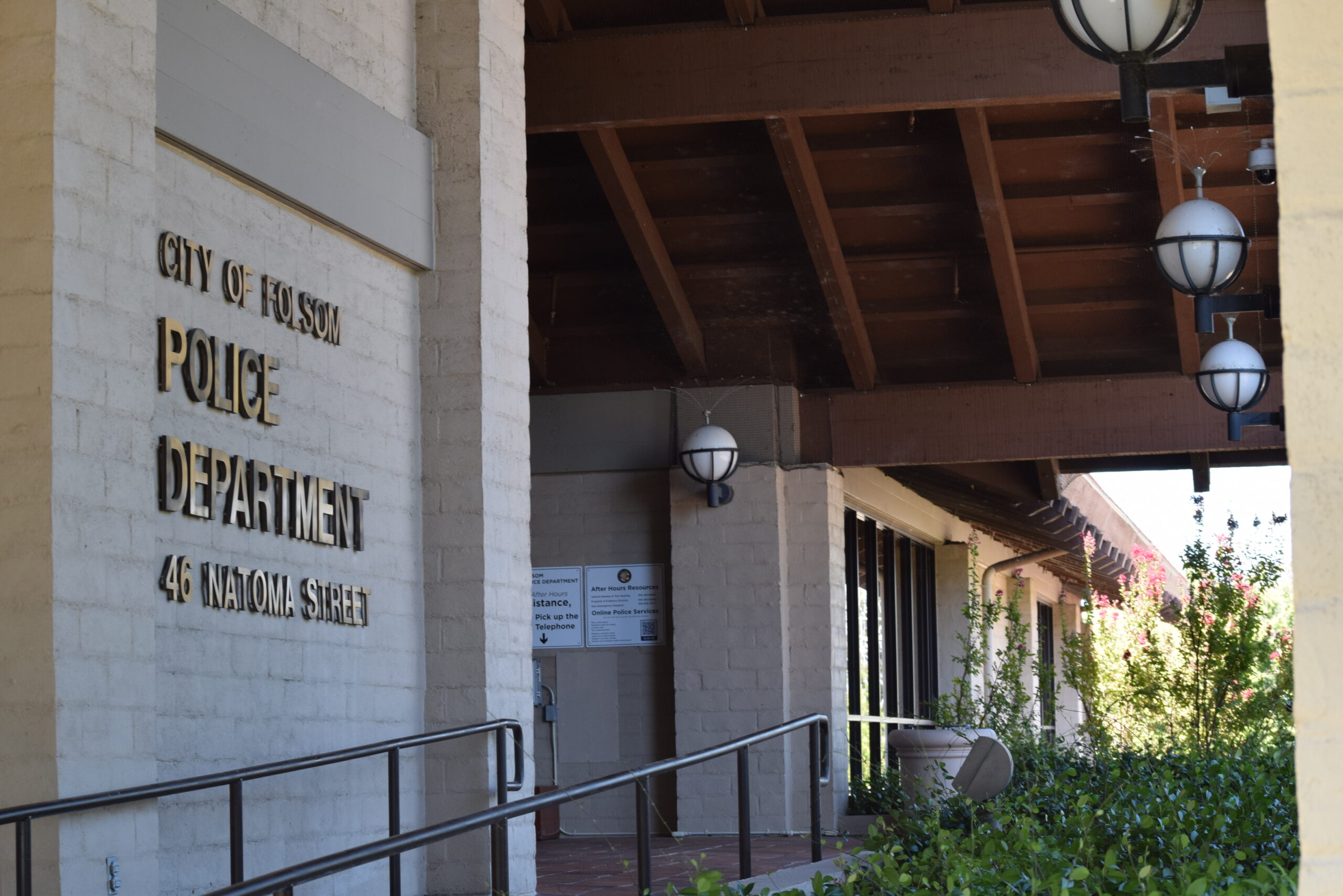
Where Can I Get My Folsom Police Accident Report?
Right after you’re in a car accident, there’s a lot of adrenaline and shock. It can be hard to even know what happened, let alone who else was there and who else might’ve done something that caused the accident to begin with.
That’s why the accident report from the Folsom Police Department (FPD) is so important. It serves as an official, documented record of your car accident and basic details that can help give you some context, like:
- What the responding officer saw when they got to the scene
- Statements from drivers, passengers, and bystanders who were there
- Date, time, and exact location of the scene
- Roadway, weather, and traffic conditions
- A diagram or description of where the vehicles ended up
- Preliminary information about what may have caused the accident (usually based on statements)
- Any tickets or other action taken at the scene
So, that gives you an idea of what’s in the report. But what about actually getting a copy? There’s a couple ways you can get it:
- First, you can request one directly through the Folsom Police Department’s online records request page. Just follow the instructions and provide the information they ask for to get your request started. Once submitted, FPD’s Records Division has 10 days to get your copy.
- If you’re more comfortable going in person, you can go directly to the FPD’s office located at:
- 46 Natoma Street
Folsom, CA 95630
- 46 Natoma Street
With that, you’ll have taken a step in the right direction. But it doesn’t tell you everything you need to know about your car accident. That only comes by looking a bit deeper into the police report and the accident itself.
Does the Folsom Police Report Actually Determine Who Was at Fault?
It’s fair to think that the police accident report tells you who was at fault. After all, the responding officer is the one who comes out, looks at the scene, and talks to everyone involved.
But it doesn’t necessarily work that way. The best way to look at the report is as one piece of the puzzle. That doesn’t make it unimportant, especially when it comes to insurance. Any insurance company and their adjusters are going to go to the report first as a way to figure out things from their perspective, especially to:
- Get a clearer picture of how the accident happened and where the vehicles ended up
- See whether weather, traffic, or road conditions had anything to do with it
- Compare what you and the other driver said happened
- Look at whether anyone broke a traffic law or received a ticket
- Find out what any witnesses saw
- See what the officer noticed when they arrived at the scene
- Check the contact and insurance information for everyone involved
Ultimately, though, fault comes down to showing negligence, not just what the police report says. In the context of a car accident, negligence basically means that:
- Someone did something—or failed to do something—that led to the accident and your injuries.
So yes, the police report can tell you a lot about who was involved and what the aftermath looked like. It can also point to possible mistakes or traffic violations. But it’s not the final word on who’s responsible. That takes looking at everything together.
Other Information That Helps After a Car Accident in Folsom
The reason the police report matters is that it gives you an official account of the accident and some of the basic details about what happened. But that’s not everything that goes into an injury claim.
You also have to look at what happened before, during, and after the accident. That’s what’s going to make up the core of the information you’re looking for. So once you call 911 for police and an ambulance, focus on getting a few basic things on your own:
- Pictures/videos of the scene, damage to your car, damage to the other vehicles, skid marks, road signs, and anything else there at the scene.
- Names and contact information for bystanders or other witnesses who either saw or helped
- Insurance and contact information for the other driver or drivers
That’s about as much as you can reasonably get at the scene. And you shouldn’t try to push through any injuries just to collect evidence, either. Your main focus should be getting medical care from EMTs and then going to the hospital to get checked out further.
Then, over the days and weeks that follow, there’s going to be more information that becomes important to your claim. This can include:
- Medical records from the emergency room, follow-up appointments, and any other treatment connecting your injuries to the accident
- Pay records showing missed work or lost income while you’ve been recovering
- Progress pictures showing how your injuries have changed as they’ve healed
- Repair estimates for damage to your car or other property
- Camera footage from traffic cameras, dashcams, or nearby businesses that might have caught the actual collision
You don’t have to gather everything perfectly at the scene. Most people are focused on making sure everyone is safe, getting medical attention, and figuring out what to do next. A lot of this evidence can be tracked down afterward. The important thing is knowing what to look for and making sure useful information doesn’t disappear. The good news is that our team can step in fairly early on in the process and make sure that doesn’t happen.
Child & Jackson Will Help You With a Folsom Car Accident Report and Claim
Once the initial shock of a car accident wears off, most people start realizing just how much they’re dealing with. And while the FPD’s accident report is important, it doesn’t necessarily show what your accident has left you with.
Our team of Folsom car accident lawyers at Child & Jackson can help you through the whole process from start to finish so you have what you need to move forward. Once you decide to go forward with a claim and talk to us, we’ll help you:
- Get a copy of your accident report and walk you through what it says
- Find other useful evidence from the accident scene
- Talk to witnesses and look into other available evidence
- Handle the back-and-forth with the insurance company
- Figure out who might be responsible for your injuries
- Through an insurance claim or a lawsuit so you can get financial help
Set up a free consultation with our team today, and let us help you understand what comes next.